


Geothermal Energy Goes Mainstream – GRC 2026
Geothermal on the path to mainstream energy
TLS Geothermics at GRC 2026
Geothermal on the path to mainstream energy
Geothermal’s path to a larger role in everyday energy supply runs through the subsurface, the financing process and the communities where projects take shape. At the 2026 Geothermal Rising Conference in Houston, those connections gave substance to the discussion about industry growth.
For TLS Geothermics, the message was particularly relevant to exploration and development: progress depends on converting geological potential into evidence that can guide investment and responsible resource use. The opening presentations and investment panel explored what that transition requires, while TLS’s policy contribution and Mentors Lounge helped connect the discussion with people working across the sector.
Building evidence before committing capital
Lauren Boyd, from the U.S. Department of Energy, emphasized the importance of understanding a resource before substantial capital is committed. Geological, geochemical, seismic and electromagnetic observations each contribute information. Modeling connects those observations, and drilling tests whether the interpretation holds up in the field.
Her distinction between technology risk and resource risk matters for developers. Improving drilling equipment or demonstrating a new technique addresses one set of questions. Establishing what is present underground, and how it behaves, addresses another.
Boyd also highlighted extended circulation testing as a way to understand performance over time and inform commercial-scale design. For TLS, this reinforces the value of connecting exploration models with physical measurements. A useful model should help determine what to test next and provide predictions that can be checked as evidence accumulates.
Making project economics understandable
The investment panel showed how that evidence must translate into a project that financing partners can evaluate. Liz Harnmeijer of EIG described a difficult financing stage between confirmatory wells and the decision to proceed with full development. She emphasized more consistent tools for quantifying geothermal reserves and more predictable permitting and interconnection processes.
Elizabeth Wolfe, from DOE, explained the technical-to-commercial connection through milestones. Expected pressure, flow and temperature must support forecasts of power output, production decline and operating availability. Those forecasts then need to fit the obligations of a power purchase agreement and the revenue available to support financing.
The implication for exploration is practical: measurements become more valuable when their consequences for development are clear. Which uncertainties remain? What would the next well establish? How would a different result affect the expected project? Answering those questions helps turn subsurface knowledge into an informed investment decision.
Resource stewardship belongs in the development model
The discussion also placed relationships with land and communities alongside technical and commercial decisions. Aroha Campbell, a trustee of New Zealand’s Tauhara North No. 2 Trust, described both the damage past development had caused and the importance of partnerships. She emphasized relationships with the reservoir, land, families, communities and developers, calling for Indigenous participation before development proceeds.
Her contribution broadened the meaning of project value. Understanding what a community wants for its land and future must inform the project from the beginning.
Read alongside the technical discussion, this points to a shared requirement for long-term viability: understand how the resource performs and how development affects the people connected to it. Better technology can strengthen the evidence for decisions; responsible stewardship requires those decisions to consider the resource, its setting and community priorities. Economic and environmental viability must be demonstrated through the way projects are developed and operated.
Preparing the industry to deliver repeatedly
Wolfe also argued that attracting a wider range of investors and utilities will require projects to deliver on their promised schedules, costs and operating performance, and sustain that record over time.
Robin Zuza’s state-of-the-industry address emphasized learning across projects, skilled workers, supply chains and repeatable practices. Al Vickers of XGS Energy added the importance of responsible development and geothermal’s inclusion in utility resource plans and regional transmission and generation planning.
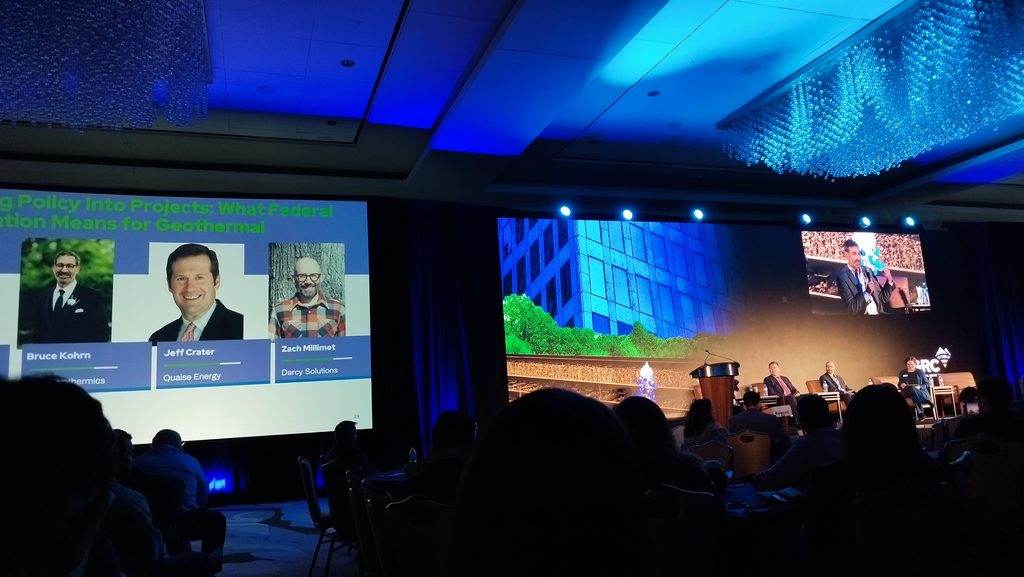
Bruce Kohrn represented TLS in an opening policy plenary, focusing on local field training, practical resources and the capacity to turn policy into project activity.
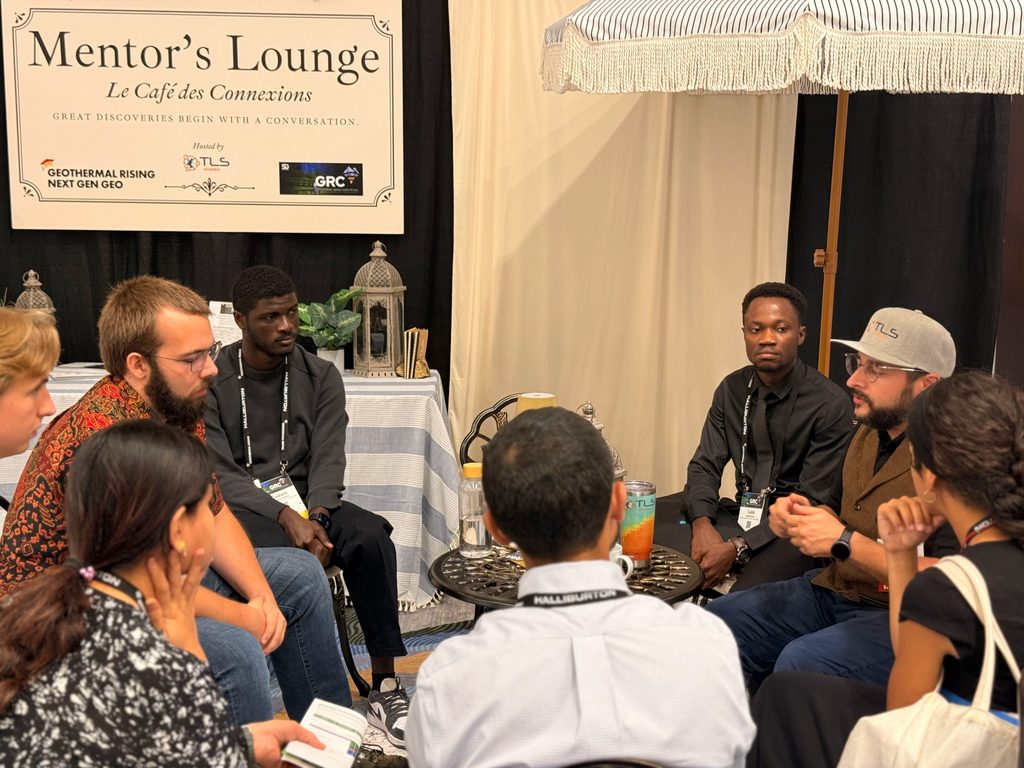
TLS again sponsored the Mentors Lounge, where experienced professionals and emerging talent exchanged knowledge. First-day participants included Ann Robertson-Tait, Jay Egg, Jon Trujillo, Caity Smith and TLS’s Mathieu Bellanger. We also thank Katie Fry, Courtney Brailo, Kelly Blake, Drew Siler, Rochelle Longval and Dina Goloshchapova for sharing their experience and guidance.
For TLS, Houston clarified what moving toward mainstream energy requires: field-tested resource understanding, credible project economics and stewardship embedded in development. These are connected responsibilities. Bringing them together can help geothermal earn wider confidence and a larger role in a reliable, environmentally responsible energy future.
Thank you to Geothermal Rising and everyone who contributed to these conversations.
Sources and review notes
TLS Geothermics opening day post | TLS Geothermics conference recap
Leave a Reply